A Comprehensive Guide to Dog Training: Advice for each Dog Proprietor
Effective dog training is vital for cultivating a healthy relationship in between proprietor and animal (Dog Trainer Near Me). Understanding canine behavior can significantly improve communication. Fundamental commands supply a structure for safety and obedience. Positive reinforcement encourages desirable actions, while dealing with behavioral issues is essential to a harmonious family. With the ideal strategies, any kind of proprietor can enhance their bond with their dog. The journey of training is much more nuanced than it shows up. What lies in advance might stun many owners
Recognizing Your Dog's Actions
Recognizing a dog's habits is necessary for efficient training and promoting a strong bond between the pet dog and proprietor. Pet dogs interact through body language, vocalizations, and activities, which can disclose their moods and needs. A wagging tail may indicate exhilaration, while pinned ears may suggest anxiety or submission. Recognizing these signals permits owners to react properly, creating a relying on connection. Additionally, recognizing the reasons behind particular habits, such as digging or barking, can aid owners attend to potential problems proactively. Socializing additionally plays a crucial role; subjecting dogs to numerous environments and various other animals can affect their behavior positively. Inevitably, being attuned to a dog's actions enhances the training procedure and deepens the connection in between the dog and its owner.
Fundamental Commands Every Dog Should Know
Educating a dog to comply with standard commands is a fundamental facet of responsible family pet possession that directly affects a dog's actions and the owner's capability to communicate successfully. Essential commands include "rest," "remain," "come," "down," and "leave it." These commands establish limits and boost safety in numerous scenarios. "Sit" and "down" promote peace, while "remain" helps keep the dog in area, guaranteeing it does not wander right into threat. "Come" is crucial for recall, specifically in open locations. Lastly, "leave it" teaches pets to disregard disturbances or potentially dangerous things. Understanding these commands not just reinforces the bond in between dog and owner but also contributes to a well-behaved pet that can navigate different atmospheres with confidence.
Positive Reinforcement Techniques
Positive reinforcement techniques effectively urge wanted actions in pets by compensating them for conformity. This approach entails supplying benefits such as deals with, praise, or playtime quickly after a dog does a desired action. Timing is necessary; rewards need to be given immediately to develop a clear organization in between the actions and the reward. Consistency is also essential; making use of the very same commands and incentives aids strengthen learning. Progressively, proprietors can terminate deals with, depending more on spoken praise or love as the dog becomes familiar with the behavior. This approach cultivates a favorable relationship between the dog and owner, making training a collective process. Inevitably, favorable reinforcement not only teaches commands yet likewise builds count on and urges a happy, well-adjusted pet dog.
Resolving Typical Behavioral Issues
Attending to typical behavioral problems in canines requires an eager observation of their activities and activates. Numerous owners face challenges such as too much barking, eating, or hostility. Determining the source is essential; for example, barking might come from boredom or stress and anxiety. Carrying out constant training routines can help reduce these actions. Positive support methods, such as gratifying wanted actions, urge pets to embrace better habits. Additionally, providing psychological stimulation via playthings or interactive games can relieve harmful tendencies. Socialization is an additional crucial facet; exposing pet dogs to various environments and other pets can minimize fear-based aggression. Inevitably, patience and persistence are type in guiding pet dogs towards much better habits, promoting an unified living atmosphere for both pets and their proprietors.
Constructing a Strong Bond Through Training
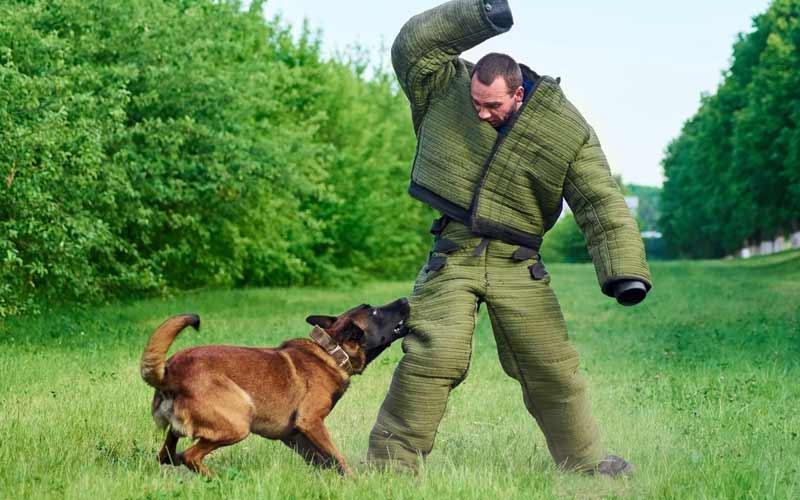
While numerous dog owners concentrate on fixing behavioral problems, they might overlook the value of constructing a strong bond via training. Developing trust fund and communication is important for an effective partnership between a dog and its owner. Consistent training sessions not only instruct commands yet also reinforce the connection between them. Favorable support methods, such as deals with and appreciation, motivate canines to involve and react, strengthening their bond. Involving in activities like dexterity training or obedience courses can likewise improve shared satisfaction and understanding. In addition, spending quality time with each other during training cultivates commitment and minimizes anxiousness. Eventually, a solid bond developed with training Full Article brings about a mannerly dog and a fulfilled owner, creating an unified living atmosphere.
Often Asked Concerns
Exactly how Long Does It Take to Train a Dog?
Educating a dog commonly takes a number of weeks to months, depending on the dog's age, type, and the complexity of the commands. Dog Training Santa Rosa Beach. Consistency, persistence, and favorable reinforcement play important functions in the training process
Can Older Pet Dogs Learn New Tricks?
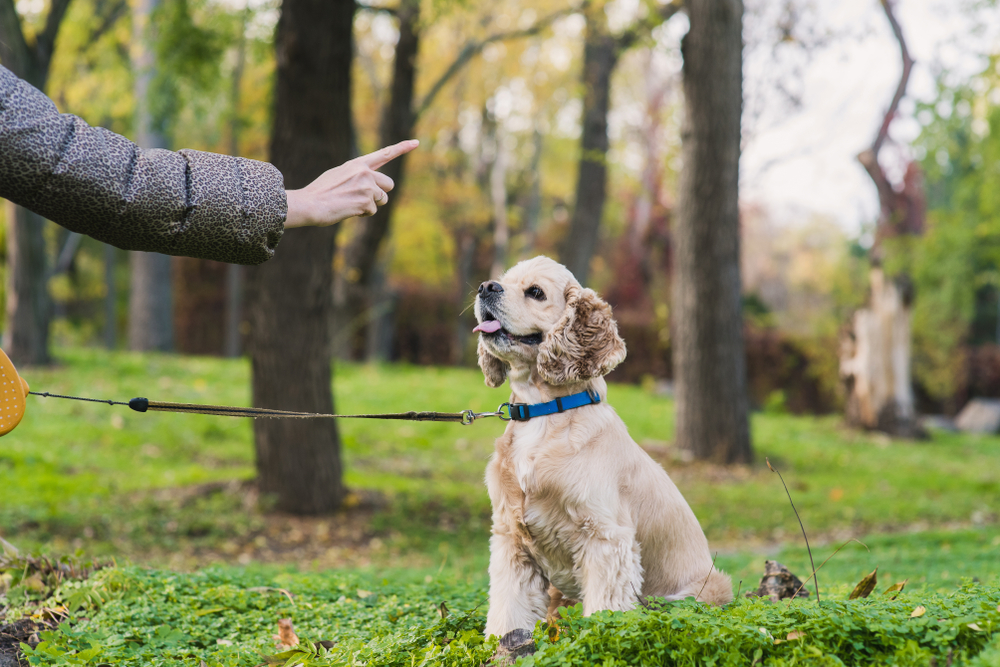
What Should I Do if My Dog Declines to Obey?
If a dog rejects to follow, the proprietor should stay tranquil, examine potential interruptions, and enhance commands with favorable support. Consistency in training and patience are necessary to reconstruct the dog's desire to react.
Is Group Training Better Than Person Sessions?

Just How Can I Socialize My Dog Effectively?
To socialize a dog successfully, progressively subject it to various atmospheres, people, and other dogs. Usage favorable reinforcement to browse this site motivate calm actions, making certain experiences are safe and pleasurable to construct confidence and decrease anxiousness.
Effective dog training is vital for promoting a healthy relationship in between proprietor and pet dog. Comprehending a dog's actions is necessary for efficient training and fostering a solid bond in between the animal and proprietor. Educating a dog to adhere to standard commands is a fundamental facet of liable animal ownership that directly affects a dog's habits and the proprietor's capacity to communicate successfully. Educating a dog typically takes numerous weeks to months, depending on the dog's age, breed, and the intricacy of the commands. To interact socially a dog successfully, slowly subject it to different environments, individuals, and other dogs.